
Winter Home Inspection in Nashville, TN: A Buyer's Guide
Published: November 2026
Most people assume the Nashville housing market goes quiet after Halloween. Plenty of buyers do pause until spring. But others keep looking through November and December — relocating for a new job, hoping to close before year-end, or simply ready to buy without waiting for the spring market.
If you're buying a home during the holiday season, a winter home inspection in Nashville, TN, can reveal conditions that may be less noticeable during warmer months. Cold mornings, bare trees, wet ground, and heating systems operating under seasonal demand all influence what a home inspector can observe and test.
Winter also brings limitations. Air conditioning systems may not be operated in low outdoor temperatures, and frost or ice can restrict roof access.
Whether you're purchasing in Nashville, Gallatin, Hendersonville, or another Middle Tennessee community, understanding these seasonal differences can help you make informed decisions before closing.
Here's what a winter home inspection can reveal, what it may not cover, and how to prepare during the busy holiday season.
Is Winter a Good Time to Buy a Home in Nashville?
Yes. Buying a home in Nashville during winter can make sense for buyers who understand the seasonal considerations and plan their inspections carefully.
Some buyers may face fewer competing showings or sellers motivated to close before the end of the year. However, market conditions vary, and a quieter season doesn't necessarily mean every home is a better deal.
The property's condition matters just as much in December as it does in July.
A home that feels comfortable with the heat on still needs professional evaluation of its roofing, plumbing, electrical, insulation, and structural components.
One important consideration is scheduling.
Between Thanksgiving and early January, contractors, lenders, appraisers, and title companies may operate on reduced holiday schedules. An inspection period that seems generous at first can become tight when follow-up evaluations are needed.
Scheduling your buyer home inspection as soon as your offer is accepted can give you more time to review the report and discuss the next steps with your real estate agent.
What Can a Winter Home Inspection Reveal?
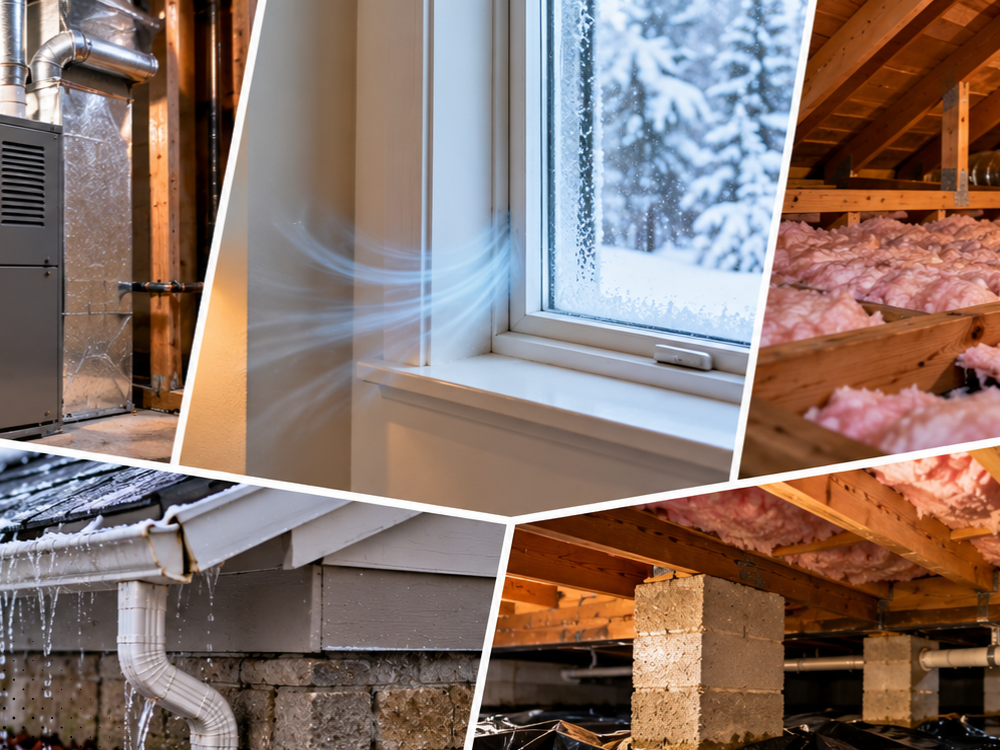
A winter home inspection can make certain property conditions easier to observe because of colder temperatures, seasonal heating demand, and winter rainfall.
While the overall scope of a home inspection remains consistent throughout the year, environmental conditions can influence what an inspector notices.
1. Heating System Performance During Cold Weather
Winter gives inspectors an opportunity to observe heating equipment operating under seasonal demand.
In warmer months, an inspector may be able to confirm that a furnace or heat pump responds to the thermostat. During colder weather, the system may be operating for longer periods, making certain performance concerns more noticeable.
Observations may include:
Heating equipment that cycles on and off frequently
Rooms that do not warm as expected
Heat pumps relying heavily on auxiliary heating
Unusual operating sounds or odors
Visible concerns with accessible heating components
A standard home inspection evaluates accessible heating equipment and its operation under the conditions present during the inspection. It is not a substitute for a comprehensive HVAC service evaluation.
If the inspector identifies a concern, the inspector may recommend an HVAC contractor for additional assessment.
2. Drafts, Air Leaks, and Insulation Gaps
Cold outdoor temperatures can make drafts and insulation concerns easier to recognize.
When indoor and outdoor temperatures differ significantly, air movement around windows, doors, attic openings, and other building components may become more noticeable.
Common areas of interest include:
Window and door weatherstripping
Attic access panels
Recessed ceiling fixtures
Exterior wall penetrations
Accessible attic insulation
When used under suitable conditions, thermal imaging can help identify temperature differences associated with possible air leakage, insulation irregularities, or other conditions that require further investigation.
However, a thermal camera does not see through walls or independently confirm the cause of every temperature difference.
AAA Complete Home Inspections offers thermal imaging services for buyers who want additional information about accessible building conditions.
3. Moisture and Condensation
Winter conditions can also make moisture-related observations more noticeable.
Warm indoor air meeting a colder surface can create condensation, especially where insulation, ventilation, or indoor humidity contribute to moisture buildup.
During a home inspection, an inspector may observe:
Condensation around windows
Moisture staining in accessible attic areas
Dampness around ductwork
Signs of inadequate ventilation
Visible moisture around building materials
These observations may indicate conditions that warrant additional evaluation.
Condensation alone does not establish the source of a moisture concern, so interpret findings alongside other visible conditions.
4. Roof Visibility After Leaves Fall
Middle Tennessee's seasonal leaf drop can improve visibility around residential roofs.
Rooflines, gutters, valleys, and other exterior features that trees partially obscured during warmer months may become easier to see.
A winter roof inspection may include evaluation of visible:
Roofing materials
Flashing around penetrations
Gutters and downspouts
Roof drainage areas
Accessible roof edges and exterior components
The inspection method depends on weather, roof design, accessibility, and safety conditions.
A wet, icy, or frost-covered roof may need to be evaluated from the ground, a ladder, or another suitable vantage point rather than by walking on its surface.
5. Drainage and Crawl Space Moisture
Winter rainfall can show how water moves around a property.
When soil is saturated, drainage patterns and moisture accumulation may become more noticeable.
An inspector may observe:
Water collecting near the foundation
Downspouts discharging close to the home
Standing water in accessible crawl spaces
Visible moisture staining
Grading conditions that direct water toward the structure
These observations can help buyers understand the property's visible drainage conditions at the time of inspection.
However, a single inspection cannot establish how the property performs during every rainfall event or season.
What Cannot Be Tested During a Winter Home Inspection?
A winter home inspection covers the same general property systems as an inspection during warmer weather, but seasonal conditions may prevent safe operation or full evaluation of some components.
Understanding these limitations is important when reviewing your report.
Air Conditioning During Low Outdoor Temperatures
Air conditioning systems may not be operated when outdoor temperatures fall below the equipment manufacturer's recommended operating range.
Operating cooling equipment under unsuitable conditions can potentially affect the system.
Even when cooling cannot be tested, the inspector may still examine accessible components such as:
The outdoor condenser
Visible refrigerant lines
Electrical disconnects
Accessible equipment connections
Visible equipment identification and condition
The inspection report should explain when cooling was not operated and identify the applicable limitation.
Buyers should discuss any untested cooling equipment with their real estate agent and consider whether additional evaluation can be arranged under appropriate conditions.
Roofs With Frost, Ice, or Slippery Surfaces
A roof covered with frost, ice, or moisture may not be safe to walk.
In these situations, the inspector may use alternative observation methods, depending on the property's accessibility and conditions.
The report should explain any limitations affecting the roof evaluation.
Exterior Plumbing and Irrigation Systems
Outdoor faucets, hose bibs, and irrigation systems may be winterized to reduce the possibility of freezing.
If the water supply has been shut off or the equipment has been drained, those components may not be available for operational testing.
Buyers should review these limitations and determine whether additional testing is appropriate when conditions permit.
Swimming Pools and Outdoor Features
Pools that have been closed, covered, or winterized may not be available for a complete operational evaluation.
Accessible components may still be visually examined where practical, but some features cannot be tested until the system is opened and operating.
AAA Complete Home Inspections offers pool inspection services. Buyers considering a property with a pool should ask about seasonal inspection limitations when scheduling.
An untested system does not automatically mean something is wrong. It means its operation has not been verified under the conditions present during the inspection.
Reviewing these items with your inspector and real estate agent can help you decide whether you need additional evaluations.
Common Winter Home Inspection Findings in Middle Tennessee
Homes throughout Nashville and surrounding Middle Tennessee communities vary in age, design, construction, and maintenance history.
During colder months, certain visible conditions may deserve additional attention.
Crawl Space Plumbing and Moisture
Many Middle Tennessee homes have crawl space foundations, making accessible plumbing, insulation, and moisture conditions important inspection considerations.
During winter, inspectors may look for:
Exposed or uninsulated supply lines
Plumbing located near exterior foundation walls
Open foundation vents
Torn, displaced, or missing ground vapor barriers
Insulation that has fallen away from floor framing
Standing water or visible moisture accumulation
Pipes located in unheated or poorly insulated spaces may be more susceptible to freezing during sufficiently cold weather.
A visual home inspection can identify observable conditions, but it cannot evaluate plumbing concealed inside walls or other inaccessible spaces.
Heating Equipment Maintenance and Operation
Gas furnaces, heat pumps, and additional heating systems serving bonus rooms or separate living areas may receive particular attention during winter.
Depending on the equipment and accessibility, visible concerns may include:
Dirty or missing air filters
Rust or corrosion on accessible components
Improperly connected venting
Unusual operating sounds
Heating equipment that does not respond as expected
For homes with fuel-burning appliances, inspectors may also observe accessible venting and, as applicable, visible carbon monoxide alarm provisions.
A home inspection is not a complete combustion-safety analysis or specialized HVAC diagnostic evaluation. Conditions requiring further assessment should be referred to a qualified professional.
Fireplaces and Chimneys
A fireplace can be an appealing feature when purchasing a home during the holiday season.
However, buyers should understand the difference between a standard home inspection and a specialized chimney evaluation.
A general home inspection may include visible and accessible components such as:
Firebox
Damper
Hearth
Accessible chimney exterior
Visible signs of deterioration
Cracking, unusual buildup, deteriorated materials, or concerns with accessible components may warrant further review.
A chimney specialist can provide a more detailed evaluation, including areas that are not accessible during a standard home inspection.
If the report recommends further evaluation, arrange it before using the fireplace.
Attic Ventilation and Insulation
Cold weather may also make certain attic insulation and ventilation conditions more apparent.
Examples include:
Thin or uneven insulation
Displaced insulation materials
Bathroom exhaust fans terminating inside the attic
Visible moisture staining
Condensation on accessible surfaces
Observable ventilation concerns
These conditions may influence indoor comfort, energy use, and moisture management.
An inspector can document visible observations and recommend further evaluation when appropriate.
Should Nashville Homebuyers Schedule Radon Testing in Winter?
Consider radon testing when buying a home in Nashville, regardless of the season.
Radon is a naturally occurring radioactive gas that you can't see or smell. The U.S. Environmental Protection Agency recommends testing homes for radon because elevated concentrations can occur without noticeable signs.
Winter is a practical time to arrange testing because homes are often kept closed in colder weather.
Short-term radon measurements generally require specific closed-building conditions, including keeping windows and exterior doors closed except for normal entry and exit.
Follow testing protocols and equipment instructions regardless of the season.
AAA Complete Home Inspections offers radon testing as an additional service for Nashville-area homebuyers.
If you would like radon measurement included in your purchase process, ask about scheduling it alongside your home inspection so the testing period can be accommodated within your contract timeline.
How to Schedule a Home Inspection During the Holidays
Scheduling a home inspection during November or December requires a little more planning than usual.
Holiday schedules, shorter business weeks, and the potential need for specialist evaluations can reduce the time available before closing.
Here are four practical steps.
1. Schedule Your Inspection Promptly
Once your offer is accepted, contact your home inspector to arrange an appointment within your contractual inspection period.
Scheduling early gives you more time to review findings and arrange follow-up evaluations if needed.
2. Confirm That Utilities Are Available
Before inspection day, work with your real estate agent to confirm that necessary utilities are connected and available.
These may include:
Electricity
Water
Natural gas, where applicable
Without utilities, certain equipment and systems may not be available for operational testing.
This is especially important when purchasing a vacant home.
3. Review Inspection Limitations Carefully
When you receive your home inspection report, pay attention to sections that identify components the inspector did not inspect or operate.
During winter, these may include cooling equipment, winterized outdoor plumbing, covered pools, or roofing areas that could not be safely accessed.
Ask your inspector to explain any limitations you do not understand.
4. Allow Time for Specialist Evaluations
A home inspection may identify conditions that warrant additional review by a qualified contractor or specialist.
Depending on the findings, this could involve:
HVAC contractors
Roofing professionals
Licensed plumbers
Chimney specialists
Other qualified service providers
Try to leave enough time for these evaluations within the inspection period specified in your purchase contract.
Your real estate agent can help you understand the contractual options available when you need additional evaluations.
Frequently Asked Questions About Winter Home Inspections in Nashville
Is a winter home inspection less thorough than a summer inspection?
No. A winter home inspection generally follows the same inspection scope as one performed during warmer weather. Inspectors evaluate accessible structural components, roofing, electrical, plumbing, heating, insulation, ventilation, and other applicable systems. Seasonal conditions may limit certain tests, particularly air conditioning operation or roof access. These limitations should be documented in the inspection report.
What happens if the inspector can't test the air conditioning?
If outdoor temperatures are below the manufacturer's recommended operating range, the inspector may leave the cooling system off and document the limitation. Accessible equipment can still be visually evaluated. Buyers should discuss the untested system with their real estate agent and consider whether additional evaluation is appropriate before closing or when conditions permit.
Can a home inspector identify pipes that might freeze?
A home inspector can identify visible conditions that may increase the likelihood of freezing, such as exposed plumbing in crawl spaces, uninsulated supply lines, and plumbing located in unheated areas. Inspectors may also document visible leaks or deterioration. However, inspectors cannot fully evaluate concealed plumbing during a standard visual inspection.
Does a winter home inspection include the fireplace and chimney?
A standard home inspection generally includes accessible and visible fireplace and chimney components within the applicable inspection scope. It does not replace a specialized chimney inspection. If visible concerns are identified or additional evaluation is recommended, buyers should consult a qualified chimney professional before using the fireplace.
Should I schedule radon testing when buying a home in Nashville?
The EPA recommends radon testing for homes year-round. Winter can be convenient for short-term testing because closed-building conditions may be easier to maintain. AAA Complete Home Inspections offers radon testing as an additional service buyers can request when scheduling their home inspection.
Schedule Your Winter Home Inspection in Nashville, TN
A home purchased in December deserves the same careful evaluation as one purchased in June.
Winter conditions can reveal heating performance, insulation, moisture, drainage, and other accessible building components. Understanding seasonal inspection limitations is equally important when deciding what to do before closing.
AAA Complete Home Inspections provides buyer home inspections in Nashville, TN, and surrounding Middle Tennessee communities, including Gallatin, Hendersonville, Mt. Juliet, Lebanon, Clarksville, and nearby areas.
If you're buying a home during the holiday season, schedule your inspection early and allow enough time to review the findings before your closing date.
Call AAA Complete Home Inspections at (615) 410-6340 or visit aaahome-inspectionsnashville.com to learn more about scheduling your Nashville home inspection.